
Simple Mistakes That Can Turn Small Wall Cracks Into Big Problems
Many stucco crack problems get worse because of simple repair mistakes. Small cracks may look easy to fix, but the wrong materials or poor prep can cause peeling, water leaks, and bigger damage. Stucco crack repair needs the right steps, clean surfaces, and close attention to detail. When done the wrong way, the patch may fail within months, leaving you with more cracks than before.
Why Prevention Matters
Stucco protects your home from rain, heat, and wind. Even small cracks can let water slip behind the surface. Over time, trapped moisture can rot wood framing or lead to mold growth. A rushed repair may seal the outside but leave hidden gaps inside.
Good repair work keeps water out and helps the wall last longer. Avoiding common errors saves money and prevents repeat repairs. Whether you are handling minor cracks yourself or planning professional stucco crack repair, knowing what not to do is just as important as knowing what to do.
Early Warning Signs
Before starting any repair, look closely at the cracks. Some are harmless hairline marks. Others point to deeper issues. Watch for these signs:
- Cracks wider than 1/8 inch
- Cracks that keep growing longer
- Bulging or soft spots in the wall
- Staining near windows or doors
- Loose or crumbling stucco around the crack
If cracks spread or return after past repairs, there may be movement in the structure or water damage inside the wall.
Seasonal or Routine Checklist
Timing and routine checks can help you avoid poor repair results. Many mistakes happen because homeowners skip inspections or rush through the job.
- Inspect exterior walls twice a year, especially after heavy storms.
- Check around windows, doors, and roof lines for gaps.
- Clean dirt and debris off stucco surfaces before repairs.
- Wait for dry weather before applying patch materials.
- Match the patch material to your existing stucco texture.
Applying patch products in damp or freezing weather often leads to cracking or weak bonding. Heat that is too intense can also dry materials too fast, causing shrinkage cracks.
Best Practices for Long-Term Results
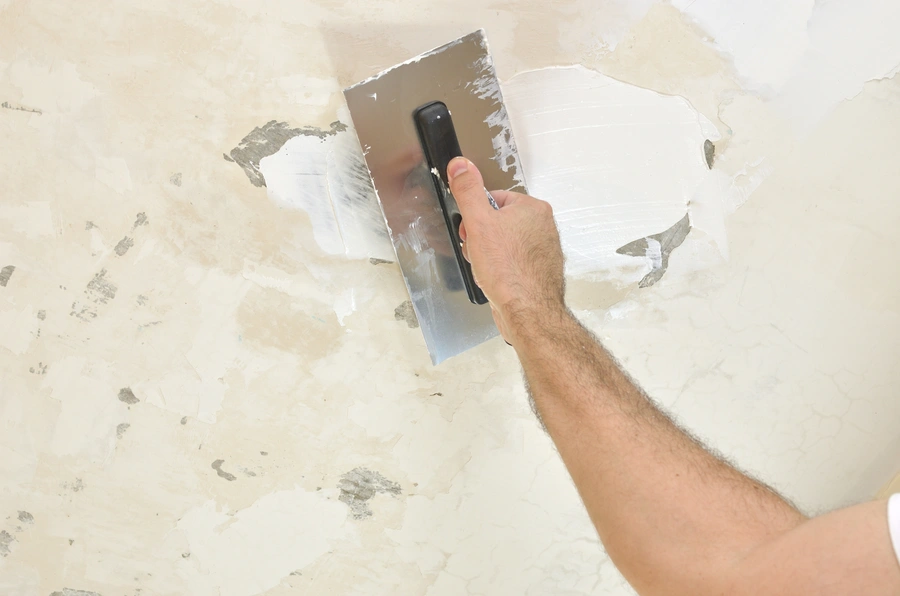
One common misstep in stucco crack repair is skipping surface prep. Dust, paint chips, and loose debris block proper bonding. Always clean and widen small cracks slightly so the patch can grip the surface.
Another mistake is using the wrong repair product. Caulk may work for tiny hairline cracks, but larger cracks need a stucco patch mix. Using a product that is too flexible or too rigid can cause the repair to fail.
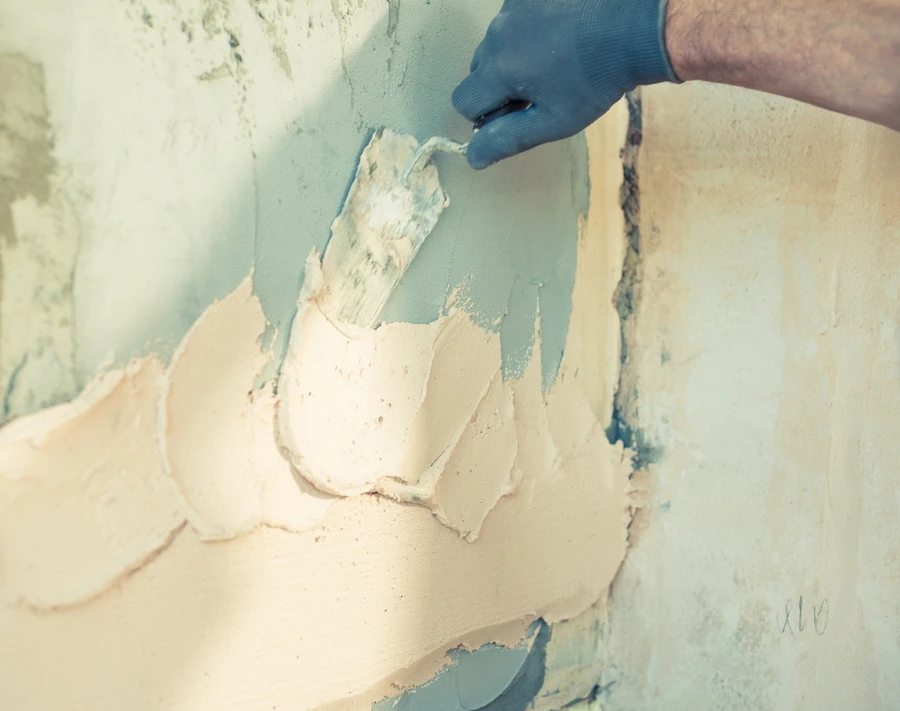
It is also important to blend textures carefully. Thick patches applied over thin original stucco can stand out and trap moisture along the edges. Apply thin, even layers and allow proper drying time between coats.
Many people forget about curing. Stucco needs time to harden slowly. Lightly misting the patched area with water, when recommended, helps reduce shrinkage and surface cracking.
What Not to Do
Avoid these frequent errors during stucco crack repair:
- Do not seal over wet or damp cracks.
- Do not ignore signs of structural movement.
- Do not paint over cracks without fixing them first.
- Do not mix patch materials too thin or too thick.
- Do not skip checking the wall for hidden water damage.
Painting over a crack may hide it for a short time. The crack will often reappear once the wall shifts or moisture builds up behind the surface. Sealing without fixing the root issue leads to repeat repairs.
When to Schedule Professional Help
Some cracks are simple cosmetic issues. Others signal deeper trouble. Wide horizontal cracks, stair-step cracks along block walls, or cracks paired with sticking doors can point to foundation movement.
If you press on the stucco and it feels soft, there may be water damage underneath. Repairs in these cases often involve removing damaged sections and checking the moisture barrier below. This type of work requires more skill and experience than a basic surface patch.
Professional stucco crack repair is also helpful when matching color and texture is difficult. An uneven repair can lower curb appeal and affect home value. A trained crew can blend the repaired area so it looks consistent with the rest of the wall.
Protect Your Home With the Right Repair Approach
If you live in Chicago, IL, acting quickly on wall cracks can help prevent costly water damage. At S B Stucco Inc., we handle stucco crack repair with careful surface prep and proper materials so repairs last. We take the time to inspect the full wall system and fix the source of the problem, not just the surface mark. Call us at (773) 341-1204 to schedule an inspection or ask questions about the cracks you are seeing on your home.