What Most Homeowners Get Wrong When Replacing Exterior Wall Coating
Many DIY stucco replacement projects fail because homeowners skip prep work, use the wrong mix, or ignore moisture control. Stucco looks simple, but it is a layered system that protects your home from water and weather. If one step is rushed or done wrong, cracks, stains, and wall damage can show up fast. Before you start tearing off old material, it helps to know where most people slip up.
What You Need Before Starting
Stucco replacement is not just about spreading new material on a wall. You need the right tools, materials, and safety gear. You also need time and patience. Rushing creates problems that cost more to fix later.
- Safety glasses and gloves
- Dust mask or respirator
- Hammer and pry tools for removal
- Metal lath or mesh
- Weather-resistant barrier
- Stucco mix and clean water
- Hawk and trowel
- Level and straight edge
Many homeowners start without checking what is under the old stucco. If the sheathing or framing has rot, it must be repaired first. Skipping this step leads to bigger issues down the road.
Step-by-Step Process Most Pros Follow
Understanding the basic process helps you see where mistakes happen. A proper stucco replacement usually follows these steps:
- Remove damaged stucco carefully.
- Inspect and repair wood framing or sheathing.
- Install a weather-resistant barrier.
- Attach metal lath securely.
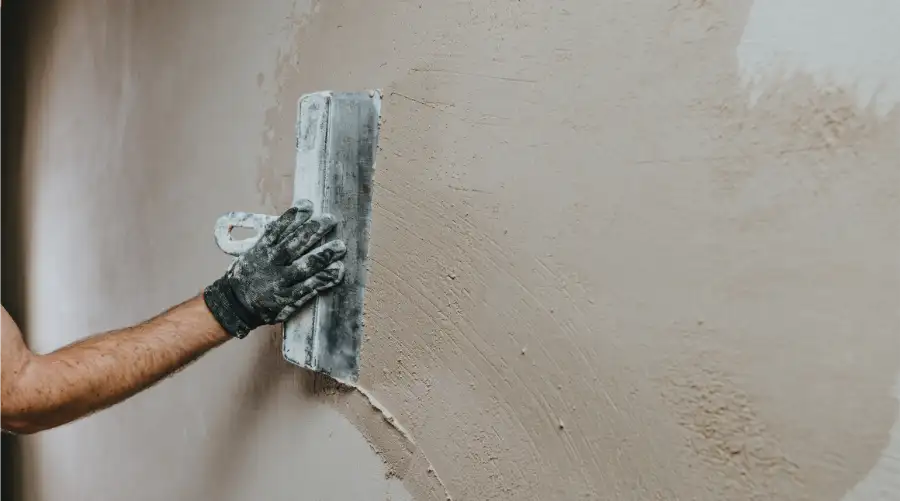
- Apply the scratch coat and score it.
- Let it cure before adding the brown coat.
- Apply the finish coat after proper drying time.
Each layer needs time to dry. Many DIY jobs fail because coats are applied too soon. That traps moisture and leads to cracks.
Common Mistakes to Avoid
Here are the most common problems we see with DIY stucco replacement:
- Skipping moisture checks. If water is getting behind the wall, new stucco will not fix it.
- Poor surface prep. Dust, loose debris, or weak framing reduce bond strength.
- Wrong mix ratio. Too much water weakens the material. Too little makes it hard to spread.
- No control joints. Large wall areas need joints to allow small movement.
- Thin application. Coats that are too thin crack easily.
- Ignoring weather. Applying stucco in very hot or freezing temps causes failure.
Another big issue is blending new stucco with old sections. Texture and color can be hard to match. The patch may stand out even if the repair is solid.
Why Moisture Control Is Often Overlooked
Stucco is not waterproof. It is water resistant. That is why the barrier and flashing behind it matter so much. If flashing around windows and doors is missing or damaged, water can leak inside the wall.
Some homeowners think adding thicker stucco will stop leaks. It will not. Water can still seep through hairline cracks. Proper drainage and sealing at joints are key parts of the system.
When to Call a Professional
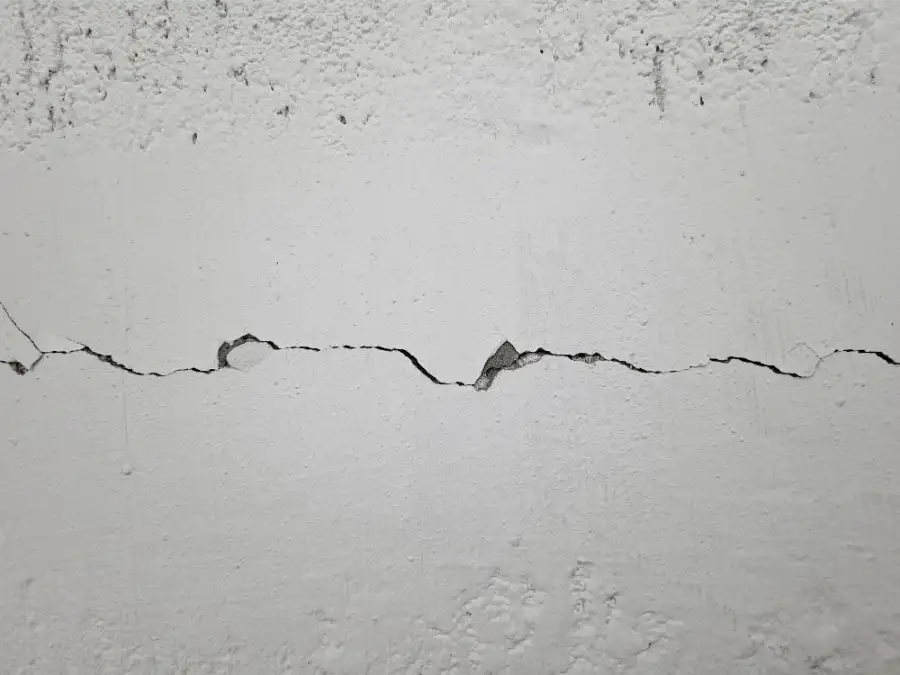
Small hairline cracks are one thing. Full stucco replacement on a large wall is another. If you notice sagging areas, soft spots, mold smell, or signs of rot, the project may be larger than it looks.
You should also think twice about DIY work if:
- The damaged area is above the first floor.
- You see structural wood damage.
- Water leaks have been ongoing.
- You are not comfortable working with layered systems.
Professional crews understand curing times, layering thickness, and how different climates affect drying. They also know how to match texture so repairs blend in better.
Final Recommendation
Stucco replacement can improve curb appeal and protect your home, but only if it is done with care. Mistakes often happen during prep, mixing, and drying stages. Taking shortcuts may save time today but create costly repairs later. If you are unsure about the wall condition or the full scope of damage, it may be smarter to get expert advice before starting.
Need Help With Your Exterior Walls?
If you are dealing with cracking or damaged exterior walls in Chicago, IL, we are ready to help. At S B Stucco Inc., we handle stucco replacement projects of all sizes and focus on doing the job right from the first layer to the final finish. Call us at (773) 341-1204 to schedule an inspection and let us help protect your home with repairs that last.