Simple Ways to Spot Hidden Water Damage Before It Spreads
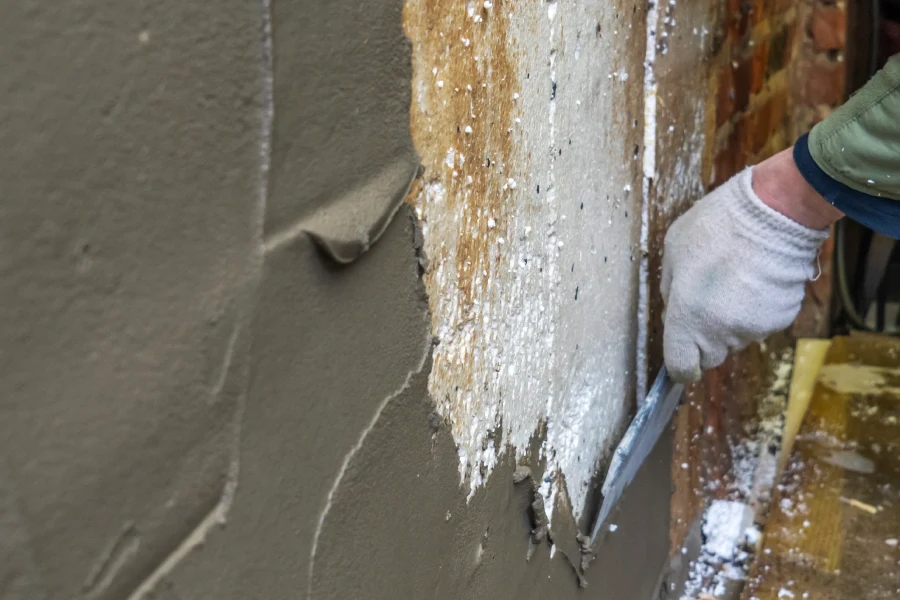
Moisture issues in stucco walls often show up as stains, cracks, soft spots, or peeling paint. You may also notice a musty smell inside your home. These signs tell you that water is getting behind the stucco surface. If left alone, trapped moisture can cause wood rot, mold growth, and costly repairs. The good news is you can spot many warning signs early with a careful inspection.
What You Need Before You Start
You do not need special tools for a basic check. A slow walk around your home can reveal a lot. Still, it helps to have a few simple items:
- A flashlight
- A small ladder
- A screwdriver or similar tool for gentle probing
- A notepad to track problem areas
Pick a dry day with good light. Wet stucco after rain can hide problem spots. Take your time and look closely at areas around windows, doors, and roof lines.
Step-by-Step: How to Check for Moisture Problems
Follow these steps to inspect your stucco walls:
- Check for stains. Look for dark streaks, brown spots, or uneven color patches. Water often leaves marks as it runs down the wall.
- Look for cracks. Hairline cracks can be normal. Wide cracks or ones that grow over time can let water in.
- Press on the surface. Gently push on walls in stained or cracked areas. Soft or spongy spots may mean moisture is trapped behind the stucco.
- Inspect around windows and doors. Failed caulking or gaps can allow water to seep behind the wall system.
- Check the base of the wall. Look near the foundation for crumbling stucco, swelling, or mold growth.
- Look inside your home. Peeling paint, bubbling drywall, or a musty odor near exterior walls can point to hidden water damage.
If you find more than one of these signs in the same area, there is a higher chance moisture is present behind the wall.
Common Mistakes to Avoid
Many homeowners ignore small cracks. They assume they are only cosmetic. Over time, even small gaps allow water to enter. Another mistake is painting over stains without fixing the source. This only hides the issue for a short time.
Do not rely on sight alone. Sometimes the surface looks fine while moisture builds underneath. If your home has had past leaks, roof problems, or poor drainage, the risk is higher.
Power washing can also make things worse if done too often or at high pressure. Strong water spray can force moisture into small openings.
When to Call A Professional
If you notice widespread staining, deep cracks, soft spots, or interior damage, it is time to seek expert help. A contractor trained in stucco remediation can perform moisture testing with special tools. These tools check inside the wall system without removing large sections.
Professional stucco remediation may involve removing damaged sections, fixing rot, adding proper drainage, and sealing the exterior correctly. This type of repair protects the long-term structure of your home.
Homes in wet or humid areas are at higher risk. In places like Chicago, IL, seasonal storms and heavy rain can push water into weak spots. If your home is more than 10 years old and has never had a stucco inspection, scheduling one is a smart step.
Why Early Detection Matters
Moisture behind stucco does not dry quickly. The outer surface acts like a barrier. Trapped water can damage wooden framing and insulation. Over time, repair costs increase.
Finding problems early often means smaller fixes. Sealing cracks or repairing flashing around windows can stop water before major damage begins. Waiting too long may require full stucco remediation to restore the wall system.
Regular checks once or twice a year can protect your home. Spring and fall are good times to inspect. Also check after strong storms.
Schedule A Detailed Inspection If You See Warning Signs
If you have noticed stains, cracks, or soft areas on your exterior walls in Chicago, IL, it may be time for a closer look. At S B Stucco Inc., we handle stucco remediation and help homeowners find hidden moisture before it spreads. Our team can test your walls, explain what we find, and suggest the right repair options. Call us at (773) 341-1204 to set up an inspection and protect your home from further damage.